
Cyprus has the mildest winter of countries in the Mediterranean which makes it ideal for travellers all year round.
Cyprus has an amazing cultural inheritance including antiquity stone age settlements, Arabic monuments & mosques, Roman amphitheaters, Egyptian graves, byzantine churches and monasteries to mention but a few.
Cyprus is a nature-lovers paradise with its exquisite wild flowers and is also prized for its birdlife as migratory birds use the island as a stopover in their migration from Europe to Africa and back between seasons.
Cyprus has a multitude of places to go and things to do -Day trips & tours, Yachts & Sailing as well as an abundance of museums :
Yachts & Sailing:
Selene Cyprus Cruises
Discover the magic of the sea through our luxury yachts and services.





Zygi boat


You will experience the breathtaking coastal scenery and the caves during the trip. Sometimes you may see the dolphins, turtles and all the kind of fish that grace our shores. We will stop in a secluded sandy cove, for those who want to swim or just admire the underwater life snorkelling in the crystal clear waters. Coming with us, you can also have the experience of diving, traditional fishing and fishing rod.
Museums:
Byzantine Museum

Located in Paphos at 5 Andrea Ioannou Street this museum houses objects from the Byzantine period dating back to the 7th century.
Cyprus Classic Motorcycle Museum
Motorcycle museum located at 44 Granikou Street, Nicosia with over 150 examples of classic motorcycles dated between 1914 and 1983.
Cyprus Medieval Museum

Located at the Medieval Castle in Limassol at Richard & Berengaria Street, near the Old Port. This is where Richard the Lionheart married Bereangaria and made her Queen of England.Cyprus Museum: Located in Museum Street, Nicosia this museum has displays, mostly archaeological, ranging through the neolithic period to Roman times.
Cyprus Museum (Archaeological)

Located in Nicosia at 1 Mouseiou Street, this museum houses the most important archaeological treasure of Cyprus in 14 galleries dating back to the 8th millennium B.C.
Cyprus Museum of Natural History

Natural history museum, open weekdays only on the old Limassol/Nicosia Road, at the carslberg factory close to Nicosia.Cyprus Wine Museum: Wine museum presenting the history of wine making in Cyprus. Located in a traditional stone building at 42 Paphou Street, Erimi, Limassol.
Ethnographical Museum
Fatsa Wax Museum


Wax museum situated in the village of Skarinou 100 yards from the motorway exit Skarinou-Lefkara. Open: 09:00 to 17:30 in winter from 1st October until 31st March and 09:00 to 18:30 in summer from 1st April until 30th September.
Geroskipou Folk Art Museum
Collection of folk arts and crafts located in the Chatzismith house 2 miles east of Paphos.
Kourion Archaeological Museum

Located in Episkopi Village, 9 miles west of Limassol, this museum is housed in an old house and display archaeological finds from the nearby Kourion sites.
Kourion Archaeological Site
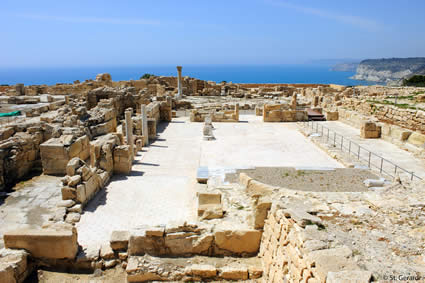
This large site is located in Episkopi, 9 miles west of Limassol and includes the ruins of a Graeco-Roman theater (fully restored), the house of Eustolios (Roman villa), public baths, house of Achilles and house of Gladiators including mosaic floors.
Larnaca District Archaeological Museum
Located at Plateia Kalograion, this museum houses artifacts dating from Neolithic times to the Roman era.
Larnaca District Mediaeval Museum
Located at Larnaca Fort on the seafront this is also houses the Municipal Cultural Center during the summer.
Ledra Museum Observatory
Offering panoramic views of Nicosia, this is located on the 11th floor of the Shakolas building at Lidra Street.
Leventis Municipal Museum
Historical museum located at 17 Ippokratous Street, Laiki Geitonia, Nicosia. Open all year round it displays life in Nicosia from centuries ago right up to modern times.
Limassol District Archaeological Museum
Museum housing artifacts found in the Limassol area dating from Neolithic times to Roman age. Located at Kanningos & Vyronos Street.
Municipal Folk Art Museum


Located in Limassol at Agiou Andreou 253 in a restored old house, this museum displays Cypriot folk art of the 19th and early 20th centuries.
Municipal Museum of Natural History - Larnaca
This museums houses displays of rare birds, animals and insects of Cyprus. Located at Leoforos Grigori Afxentiou in Larnaca.
Old Port Sea Sponges Exhibition Center Ltd
Natural sea sponges, loofahs, soaps and beauty products with it's own exhibition center situated in the 'old port' area of Limassol. Products also available to order online.
Oleastro Olive Oil Museum


Ecological olive mill and museum at Anogyra, between Paphos and Limassol. Watch the olive pressing process and taste olives in the coffee shop.
Paphos District Archaeological Museum

Collection of items found in the Paphos are dating from Neolithic times to the 18th century. Located at Griva Digeni 43, Paphos..
Sanctuary of Aphrodite, Palaipafos Museum, Medieval Manor
The site of the sanctuary of Aphrodite with remains dating back to the 12th century B.C. The museum is housed in the Lusignan Manor. Located in Paphos at Kouklia Village, 9 miles east of Paphos.
Cyprus has an amazing cultural inheritance including antiquity stone age settlements, Arabic monuments & mosques, Roman amphitheaters, Egyptian graves, byzantine churches and monasteries to mention but a few.
Cyprus is a nature-lovers paradise with its exquisite wild flowers and is also prized for its birdlife as migratory birds use the island as a stopover in their migration from Europe to Africa and back between seasons.
Cyprus has a multitude of places to go and things to do -Day trips & tours, Yachts & Sailing as well as an abundance of museums :
Yachts & Sailing:
Selene Cyprus Cruises
Discover the magic of the sea through our luxury yachts and services.


Zygi boat


You will experience the breathtaking coastal scenery and the caves during the trip. Sometimes you may see the dolphins, turtles and all the kind of fish that grace our shores. We will stop in a secluded sandy cove, for those who want to swim or just admire the underwater life snorkelling in the crystal clear waters. Coming with us, you can also have the experience of diving, traditional fishing and fishing rod.
Museums:
Byzantine Museum

Located in Paphos at 5 Andrea Ioannou Street this museum houses objects from the Byzantine period dating back to the 7th century.
Cyprus Classic Motorcycle Museum
Motorcycle museum located at 44 Granikou Street, Nicosia with over 150 examples of classic motorcycles dated between 1914 and 1983.
Cyprus Medieval Museum

Located at the Medieval Castle in Limassol at Richard & Berengaria Street, near the Old Port. This is where Richard the Lionheart married Bereangaria and made her Queen of England.Cyprus Museum: Located in Museum Street, Nicosia this museum has displays, mostly archaeological, ranging through the neolithic period to Roman times.
 |
| MedievalCastle |
 |
| Medieval Pottery |
Cyprus Museum (Archaeological)

Located in Nicosia at 1 Mouseiou Street, this museum houses the most important archaeological treasure of Cyprus in 14 galleries dating back to the 8th millennium B.C.
Cyprus Museum of Natural History

Natural history museum, open weekdays only on the old Limassol/Nicosia Road, at the carslberg factory close to Nicosia.Cyprus Wine Museum: Wine museum presenting the history of wine making in Cyprus. Located in a traditional stone building at 42 Paphou Street, Erimi, Limassol.
Ethnographical Museum
 |
| Objects dating from the Neolithic age to the present day shown in a private collection at 1 Exo Vrisis Street, Paphos. |
Fatsa Wax Museum


Wax museum situated in the village of Skarinou 100 yards from the motorway exit Skarinou-Lefkara. Open: 09:00 to 17:30 in winter from 1st October until 31st March and 09:00 to 18:30 in summer from 1st April until 30th September.
Geroskipou Folk Art Museum
Collection of folk arts and crafts located in the Chatzismith house 2 miles east of Paphos.
Kourion Archaeological Museum
Located in Episkopi Village, 9 miles west of Limassol, this museum is housed in an old house and display archaeological finds from the nearby Kourion sites.
Kourion Archaeological Site
This large site is located in Episkopi, 9 miles west of Limassol and includes the ruins of a Graeco-Roman theater (fully restored), the house of Eustolios (Roman villa), public baths, house of Achilles and house of Gladiators including mosaic floors.
 |
| House of Eustolios |
 | |||
| Kourion theater |
Located at Plateia Kalograion, this museum houses artifacts dating from Neolithic times to the Roman era.
Larnaca District Mediaeval Museum
Located at Larnaca Fort on the seafront this is also houses the Municipal Cultural Center during the summer.
Ledra Museum Observatory
Offering panoramic views of Nicosia, this is located on the 11th floor of the Shakolas building at Lidra Street.
Leventis Municipal Museum
Historical museum located at 17 Ippokratous Street, Laiki Geitonia, Nicosia. Open all year round it displays life in Nicosia from centuries ago right up to modern times.
Limassol District Archaeological Museum
Museum housing artifacts found in the Limassol area dating from Neolithic times to Roman age. Located at Kanningos & Vyronos Street.
Municipal Folk Art Museum


Located in Limassol at Agiou Andreou 253 in a restored old house, this museum displays Cypriot folk art of the 19th and early 20th centuries.
Municipal Museum of Natural History - Larnaca
This museums houses displays of rare birds, animals and insects of Cyprus. Located at Leoforos Grigori Afxentiou in Larnaca.
Old Port Sea Sponges Exhibition Center Ltd
Natural sea sponges, loofahs, soaps and beauty products with it's own exhibition center situated in the 'old port' area of Limassol. Products also available to order online.
Oleastro Olive Oil Museum


Ecological olive mill and museum at Anogyra, between Paphos and Limassol. Watch the olive pressing process and taste olives in the coffee shop.
Paphos District Archaeological Museum

Collection of items found in the Paphos are dating from Neolithic times to the 18th century. Located at Griva Digeni 43, Paphos..
Sanctuary of Aphrodite, Palaipafos Museum, Medieval Manor
The site of the sanctuary of Aphrodite with remains dating back to the 12th century B.C. The museum is housed in the Lusignan Manor. Located in Paphos at Kouklia Village, 9 miles east of Paphos.


